
01
Honey
Honey is definitely more than just a simple sugar because it’s rich in vitamins, minerals and other nutrients.
This healthy natural sweetener, offers many nutritional benefits without the man-made chemicals that comprise other types of sweeteners.
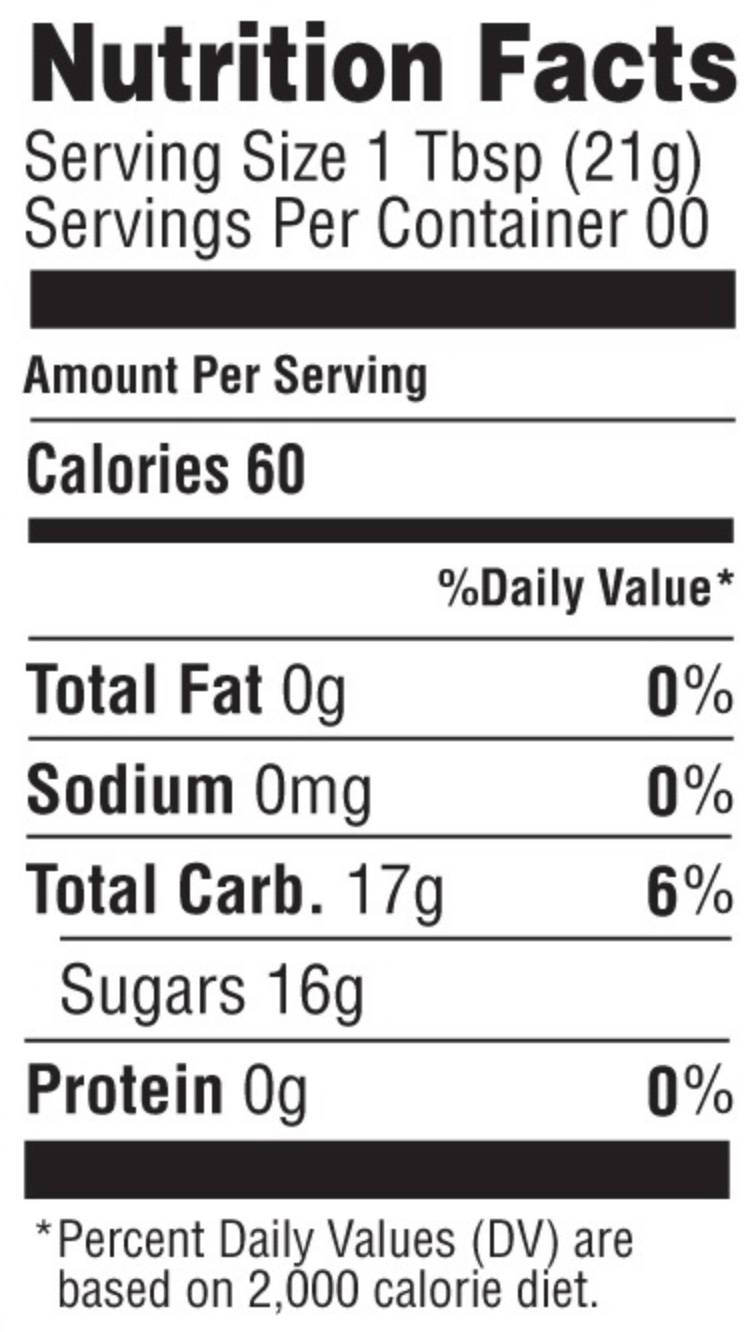
Although, nutrition facts can vary slightly based on the floral variety, they usually are very similar.

02
Health Benefits of Honey
Certain varieties of honey have been shown to offer promising healing powers. When applying these characteristics to everyday life, it’s essential to balance honey’s purported health benefits with the nutritional cost (high sugar content).
Also, it is important to remember that honey is often consumed in small quantities that may not be equivalent to amounts used in studies to investigate potential benefits.
May Soothe a Cough
Research suggests honey may help calm a cough. A review of six studies treating coughs in children found that a spoonful of honey suppresses a cough as well as dextromethorphan—the cough suppressant found in Robitussin DM—and better than Benadryl (diphenhydramine) or no treatment. The research also found honey may provide longer relief than Albuterol (salbutamol).
May Promote Regularity
Studies have suggested that honey might have a positive impact on the treatment of irritable bowel syndrome (IBS). Researchers theorize that phytochemicals and flavonoids may help aid digestive processes in the body. But so far studies that support this benefit are limited in size and scope.
For instance, one study involving rats showed that raw honey soothed the stomach and reduced diarrhea and constipation symptoms. Honey reduces the severity and duration of viral diarrhea better than conventional antiviral treatment. But the benefit has not been replicated in humans.
May Support Reproductive Health
A type of honey called royal jelly, has numerous effects on female reproductive health. Royal jelly has been found to reduce premenstrual syndrome (PMS) and menopausal symptoms.
The antioxidants in royal jelly may help reduce oxidative damage associated with the aging of the ovaries. Preliminary animal studies also suggest that royal jelly improves sperm quality for men. Although promising, this effect has yet to be proven in humans.
Aids Wound Healing
Propolis, a component in honey, is made up of 50% resin, 30% wax, 10% essential oils, 5% pollen, and 5% other organic compounds. Propolis suppresses the activity of free radicals and promotes the synthesis of collagen, both beneficial for wound healing.
The ability of propolis to promote wound healing has been suggested for diabetic foot ulcers and certain types of acne when used topically.
May Reduce Cancer Risk
Honey may impact the development of cancer during multiple stages of the progression of the disease.3 Honey has been shown to induce tumor cell apoptosis (cell death), reduce inflammation, and inhibit tumor growth in in-vitro (test tube) studies.
Studies in humans have yet to show this benefit. Although honey is not an effective treatment for cancer in itself, preliminary studies suggest the need for further investigation.
Antioxidants
This nutritious sweetener also has various phenolic acids and flavoniods which are certain types of antioxidants.
These antioxidants help to eliminate free radicals which often play a role in causing many serious diseases.
Generally, the darker honeys, like buckwheat, will have higher antioxidant levels compared to lighter colored honeys.
Fructose, Glucose, Maltose, Sucrose and Water Content
Honey’s composition is about 38.5% fructose and 31% of glucose. It also contains maltose, about 7.1% and sucrose, about 1.3%. Its water content is roughly 17%.